
Which Renovations Actually Pay Off at Resale?
Which Renovations Actually Pay Off at Resale?
The Renovations With the Best Track Record
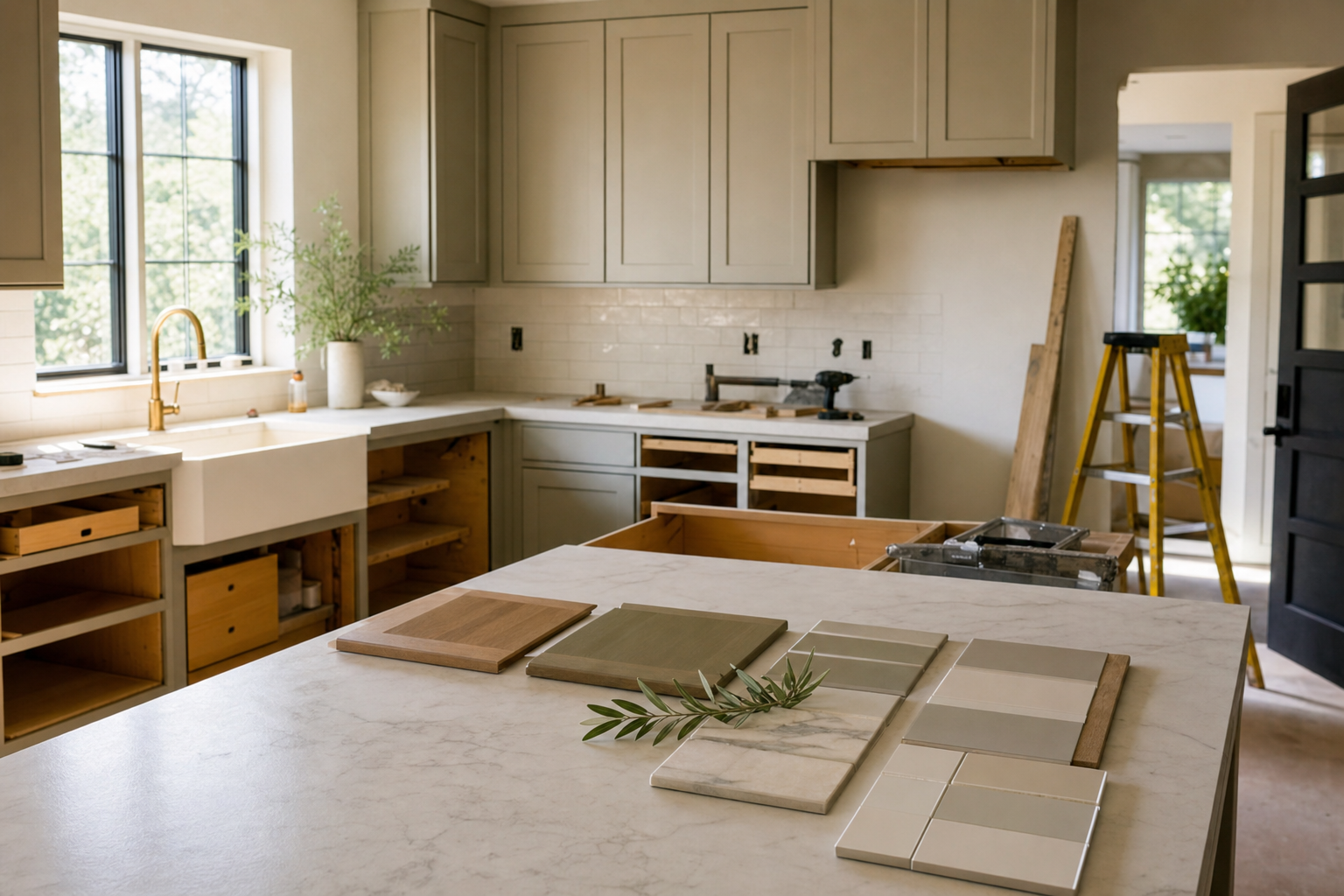
Not all upgrades return their cost at resale, but a few consistently perform well. A minor kitchen remodel — refacing or replacing cabinet fronts, updating countertops and hardware, and swapping outdated fixtures — tends to recoup a strong share of its cost because kitchens are the room buyers scrutinize most closely when deciding between similar homes. Fresh interior and exterior paint, updated light fixtures, and refinished hardwood floors are similarly reliable: they're relatively inexpensive, buyers notice them immediately, and they photograph well online, where most buyers form their first impression long before they ever schedule a showing. Garage door replacement and a new front entry door also punch above their weight relative to cost, since curb appeal drives whether buyers even want to walk in the front door, and a tired-looking exterior can undercut an otherwise well-maintained home before a buyer sees a single interior room. Bathroom refreshes — new vanities, updated lighting, and re-grouted tile — tend to follow the same logic as kitchens: buyers notice dated fixtures immediately, and modest updates go a long way.
The Renovations That Rarely Pay for Themselves
Big, personal projects are the ones most likely to disappoint at resale. A high-end primary suite addition, a swimming pool, or a sunroom often costs far more to build than it adds to the eventual sale price, and some buyers actively avoid homes with pools or unusual additions because of the ongoing maintenance, insurance costs, or safety concerns for young children. Highly customized renovations — a home theater, a wine cellar, or a kitchen finished in a bold, highly personal style — can actually shrink your buyer pool, because the next owner has to either love your exact taste or budget to undo it before they've even moved in. The rule of thumb: the more a renovation reflects your personal lifestyle rather than broad market appeal, the less likely it is to fully pay you back at closing. That doesn't mean these projects are a bad idea — it just means you should go into them expecting to enjoy the improvement itself, not necessarily recover every dollar spent when you eventually sell.
Why Context Matters More Than the Project Itself
The same renovation can be a smart move in one home and a poor one in another. A $60,000 kitchen remodel in a $180,000 neighborhood will rarely return its cost, because you end up over-improved for the area — buyers shopping that price range aren't looking for, or willing to pay extra for, a luxury kitchen surrounded by more modest finishes elsewhere in the house. The same remodel in a $450,000 neighborhood where comparable homes already have updated kitchens might be necessary just to stay competitive, since buyers at that price point are actively comparing you against other recently updated listings. Before starting any project, look at what similar, updated homes in your specific neighborhood are actually selling for, not just what a renovation “should” add according to a national cost-versus-value survey, which reflects averages that may not match your local market at all. A conversation with a local agent before you start demolition can save you from over-investing in a home that will never appraise high enough to reflect it.
Renovate to Sell vs. Renovate to Live
If you're renovating with an eye toward a sale in the next year or two, prioritize broad appeal over personal preference: neutral colors, timeless finishes, and updates that address genuine wear and function rather than passing trends. If you're renovating because you plan to live in the home for another decade or more, it's reasonable to prioritize what you'll actually enjoy day to day, even if it doesn't fully pay back at resale — the years of enjoyment are themselves part of the return, even though they don't show up on a closing statement. Where the two goals conflict, be honest with yourself about your real timeline before spending on cosmetic customization you might have to undo, repaint, or replace before listing. A bold accent wall or an unusual tile choice might bring you real joy for years, but if you're selling within the next twelve months, budget for the possibility that a buyer will want it neutralized before they'll make an offer.
Getting Good Advice Before You Spend
Before committing to a major renovation with resale in mind, talk to a local real estate agent about what buyers in your specific market are actually paying more for right now — those preferences shift over time and vary meaningfully from one neighborhood to the next. A pre-renovation walkthrough with an agent can help you avoid over-improving for your street, and can flag whether a lower-cost fix, like decluttering, a deep clean, fresh paint, or minor repairs, might move the needle more than a big-ticket project would. Keep records and receipts for any renovation regardless of scope; they can support your asking price during negotiations, help an appraiser understand what's been updated and when, and may matter for tax purposes later if you claim qualifying capital improvements against your home's cost basis when you eventually sell. A little documentation now can save a real headache, and potentially real money, years down the road.
Provided by American Homeland Title Agency
For advertising purposes only.
Equal Housing Opportunity — we support fair and equal access to housing for all, regardless of race, color, religion, sex, handicap, familial status, or national origin.