
The BRRRR Method Explained for First-Time Investors
The BRRRR Method Explained for First-Time Investors
What BRRRR Stands For
BRRRR stands for Buy, Rehab, Rent, Refinance, Repeat — a strategy investors use to recycle a limited amount of capital across multiple properties instead of tying it all up in one deal indefinitely. The idea is to buy a property below market value, usually one needing meaningful work, renovate it to increase both its livability and its appraised value, place a qualified tenant to generate rental income, refinance based on the new higher value to pull most or all of your original cash back out, and then use that returned capital to repeat the process on the next property. Done well, it lets an investor with a limited amount of starting capital build a portfolio of several properties over time rather than being limited to whatever a single down payment allows. It's not a shortcut, though — each stage carries its own risk, and skipping steps to move faster is where many first-time investors run into trouble.
Buy and Rehab: Setting Up the Deal
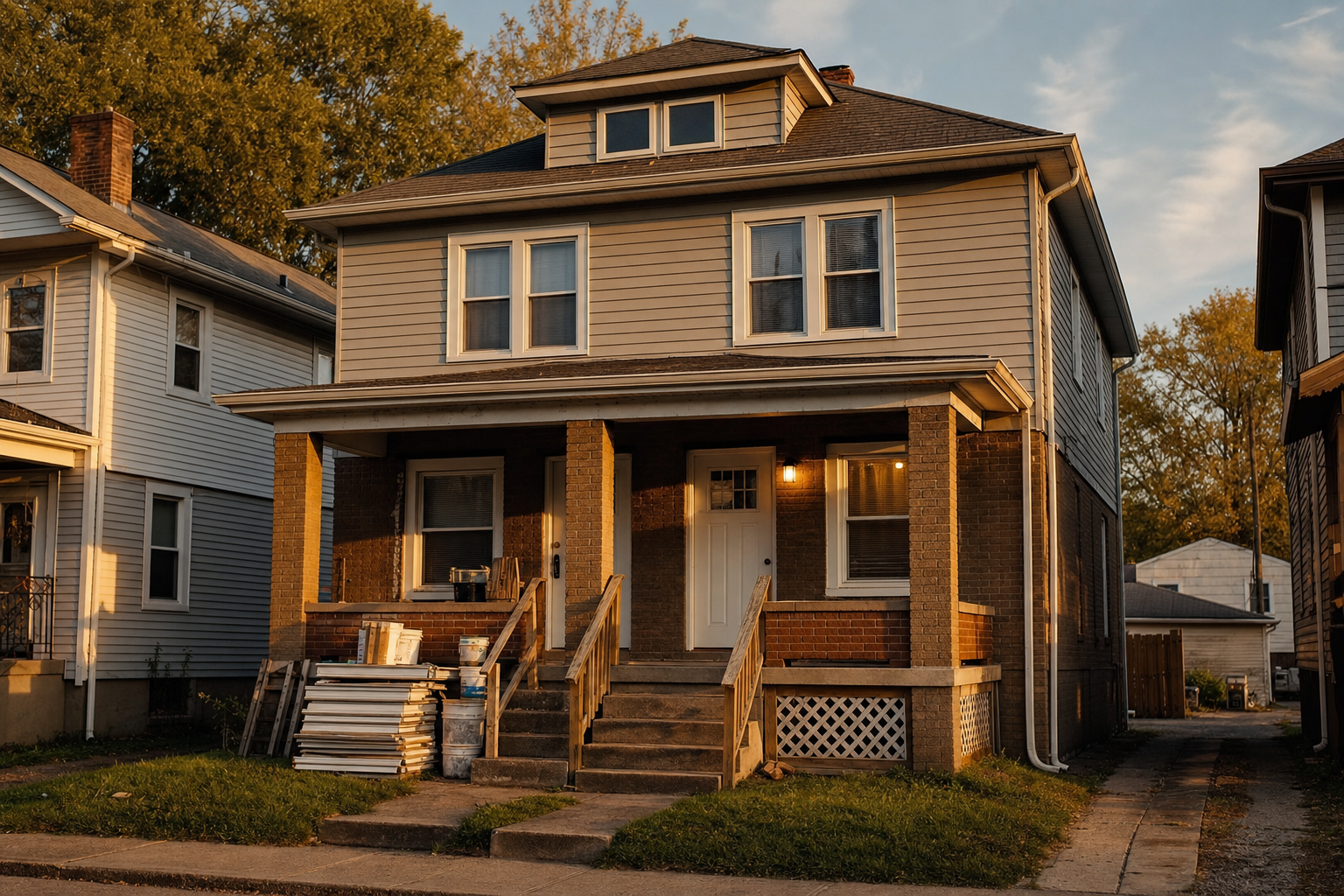
The buy stage is where the entire strategy succeeds or fails — you need to purchase significantly below the property's after-repair value (ARV) to leave room for rehab costs and still come out ahead once you refinance. That means disciplined underwriting: get a realistic contractor estimate before you close, not after, and build in a meaningful cushion for the surprises that tend to surface once you're inside the walls of older housing stock, from outdated wiring to hidden water damage. The rehab stage should target the specific repairs and updates that move appraised value and rentability, not just cosmetic preferences that appeal to your personal taste — a functional kitchen, safe and updated electrical and plumbing, and a sound roof typically matter more to an appraiser and a future tenant than upgraded finishes or design flourishes. Prioritize the rehab dollars that actually move the appraisal and the rent, and be disciplined about cutting anything that doesn't.
Rent: Getting Income Flowing
Once renovated, the property needs a qualified tenant in place, ideally before you move to the refinance stage, because lenders often want to see either an existing signed lease or strong market rent comparables in the area to support the new valuation. Screen tenants carefully — income verification, credit and background checks, rental history, and a conversation with prior landlords — since a bad tenant placed quickly just to hit a refinance timeline can cost you far more in vacancy, property damage, or eviction costs than the delay of screening properly would have cost you in lost momentum. It can be tempting to rush this step once the rehab is finally finished, but the tenant you place is the one generating the income your refinance depends on, so it's worth getting right even if it costs you a few extra weeks of vacancy while you find the right fit. A short vacancy is far cheaper than a problem tenant who damages the property or stops paying rent midway through your seasoning period.
Refinance: Pulling Your Capital Back Out
This is the step that makes BRRRR different from simply buying and holding rental property the traditional way. After rehab and stabilization, you refinance the property based on its new, higher appraised value rather than your original purchase price, ideally pulling out most of your initial cash investment while keeping the loan-to-value ratio within what the lender allows, often somewhere around 70 to 75 percent for investment properties. Most lenders require a seasoning period — commonly six months of ownership, sometimes longer — before they'll refinance based on the new value rather than the original purchase price, so factor that holding period, and the carrying costs during it, into your cash flow projections before you ever make an offer. The appraisal at refinance is the moment of truth for the whole strategy; if the rehab didn't move value as much as projected, you may recover less capital than planned, which is why conservative ARV estimates upfront matter more than optimistic ones.
Where First-Time Investors Get Tripped Up
The most common mistakes are underestimating rehab costs, overestimating after-repair value based on optimistic comparable sales, and not accounting for the seasoning period and carrying costs — mortgage, taxes, insurance, and utilities — during the months between purchase and refinance when the property may not yet be generating income. BRRRR also requires more cash upfront than the eventual refinance ultimately returns, at least temporarily, so you need enough reserves on hand to comfortably cover that gap without being forced into a rushed sale or a missed payment. Work with a lender experienced in investment property refinancing before you buy your first property, not after you've already closed, so you understand their seasoning requirements, appraisal standards, and loan-to-value limits going in — those specific terms directly determine whether the numbers on your first deal actually work as planned, and finding out after the fact can turn a promising deal into a cash-flow problem.
Provided by American Homeland Title Agency
For advertising purposes only.
Equal Housing Opportunity — we support fair and equal access to housing for all, regardless of race, color, religion, sex, handicap, familial status, or national origin.