
The Most Common Defects Found in Ohio Home Inspections
The Most Common Defects Found in Ohio Home Inspections
Moisture and Drainage Issues Top the List
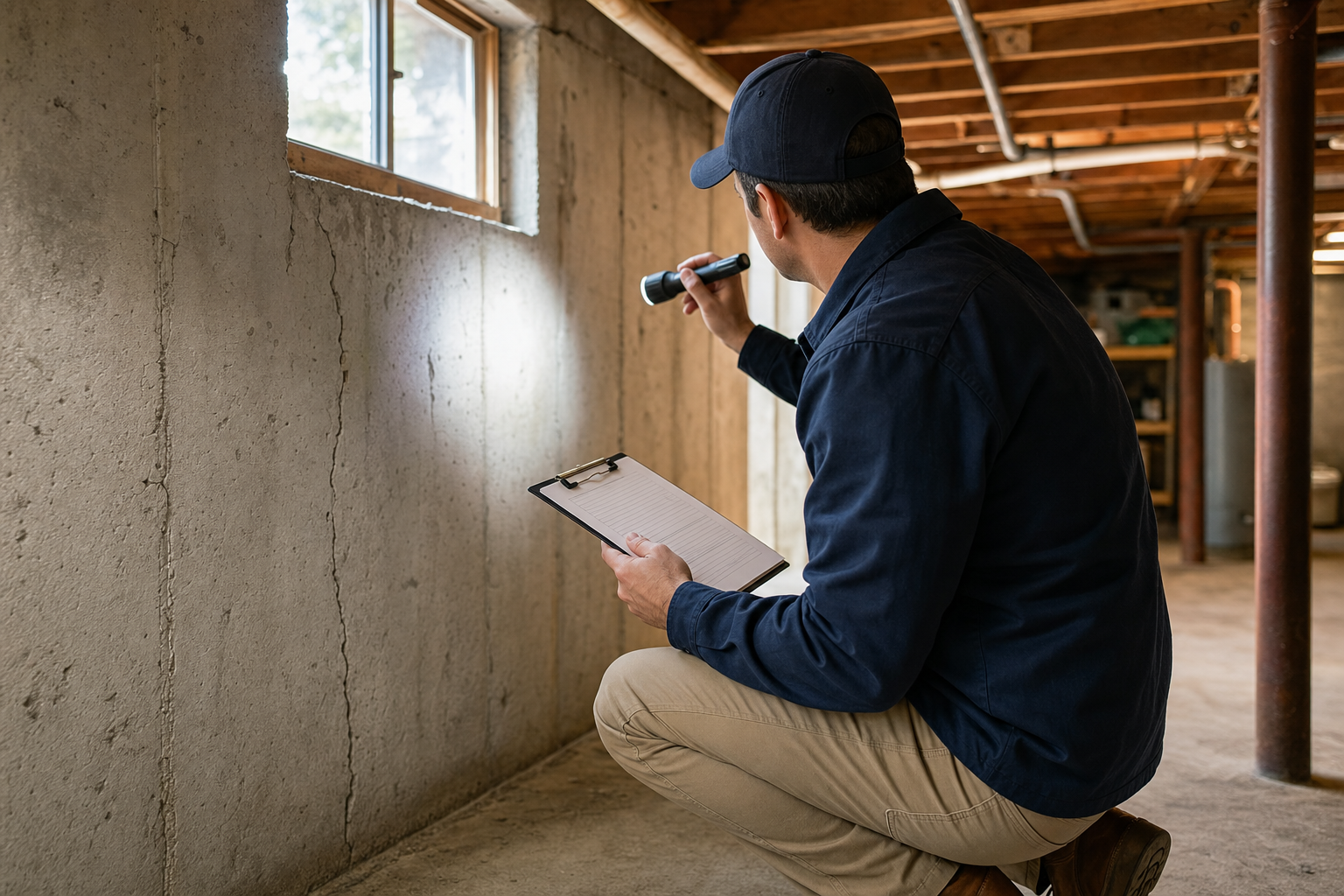
In a region with Ohio's clay-heavy soils and pronounced seasonal freeze-thaw cycles, poor grading and drainage around the foundation are consistently among the most frequently cited issues in home inspection reports across Southwest Ohio. Inspectors regularly find soil sloping toward the house instead of away from it, downspouts discharging water right next to the foundation instead of directing it well away from the home, and gutters that are clogged, damaged, or simply undersized for the size and pitch of the roof they're meant to drain. These issues are often relatively inexpensive to correct — regrading a section of yard, extending a downspout, cleaning gutters regularly — but they can lead to much more expensive basement moisture intrusion or foundation problems if the underlying drainage issue is left unaddressed for years at a time. Buyers reviewing an inspection report should pay particular attention to drainage findings, since correcting grading and downspout issues promptly after closing is generally far cheaper than repairing water damage that's already reached a finished basement.
Aging Electrical Systems
Ohio's housing stock includes a large share of older homes, and outdated electrical systems show up constantly in inspection reports throughout the region: ungrounded two-prong outlets, insufficient GFCI protection near kitchens, bathrooms, and other water sources, outdated fuse panels or electrical panels that are undersized for a modern household's actual power demands, and amateur do-it-yourself wiring completed at some point without a permit or professional oversight. None of these findings are necessarily dangerous by themselves in every case, but inspectors flag them consistently because they don't meet current safety standards, and they can complicate insurance underwriting, financing approval, or future renovation work if they aren't addressed before or shortly after closing. A licensed electrician's follow-up evaluation can clarify whether a flagged item is a simple, low-cost fix or part of a larger panel upgrade the home may need in the near future regardless of the sale, and can also confirm whether a home has enough capacity for future additions like an electric vehicle charger or a workshop.
Roofing Wear and Deferred Maintenance
Roof age and overall condition are among the most universal inspection findings in the region, particularly on homes with standard asphalt shingle roofs approaching or already past their expected 20-to-30-year service life. Common findings include curling, cracked, or missing shingles, worn or deteriorating flashing around chimneys, skylights, and roof vents, and visible granule loss collecting in the gutters, all of which signal advancing age even when there's no active leak yet. Inspectors typically note the roof's estimated remaining useful life rather than demanding immediate replacement unless there's clear evidence of active leaking or structural sagging, but roof condition remains one of the single most common negotiating points that comes up after an inspection report is delivered. Getting a roofing contractor's opinion on remaining life and repair cost, rather than relying solely on the inspector's general observation, gives both buyer and seller a more concrete number to negotiate around, and can also clarify whether a partial repair is realistic or whether the age and condition genuinely call for full replacement.
HVAC and Plumbing Age
Furnaces, air conditioning units, and water heaters all have finite, well-documented lifespans, and inspectors routinely flag systems that are nearing or already past their typical service life even when the equipment is currently functioning without any obvious problem. On the plumbing side, older homes in the region may still have original galvanized steel piping or, in some cases, polybutylene piping installed decades ago, both of which are associated with meaningfully higher failure rates compared to modern copper or PEX plumbing. An inspector generally can't tell you exactly when an aging system will fail, only that it's approaching the end of its expected life and worth actively budgeting for, rather than treating as a distant, hypothetical expense. Buyers purchasing a home with an aging furnace, water heater, or original plumbing should factor a realistic replacement timeline into their post-closing budget rather than assuming these systems will simply keep functioning indefinitely, and should ask the seller for service records if available to get a clearer sense of how well the systems have actually been maintained.
Minor but Frequently Cited Items
Beyond the major systems, inspectors consistently note a familiar set of smaller items across almost every home they inspect: missing, outdated, or malfunctioning smoke and carbon monoxide detectors, deferred exterior caulking and weatherstripping around windows and doors, cracked or heaving driveways and walkways affected by seasonal freeze-thaw cycles, and cosmetic issues like peeling paint on exterior trim or siding. None of these items are typically deal-breakers on their own, but a long list of small deferred-maintenance items scattered throughout a report can be a meaningful signal about how well a home has actually been cared for over time, which is worth factoring into your overall negotiation strategy even when each individual item seems minor in isolation. Working through the full inspection report line by line with your agent, rather than skimming only the summary page, helps you decide which items are worth negotiating and which are simply normal for a home of that age.
Provided by American Homeland Title Agency
For advertising purposes only.
Equal Housing Opportunity — we support fair and equal access to housing for all, regardless of race, color, religion, sex, handicap, familial status, or national origin.