
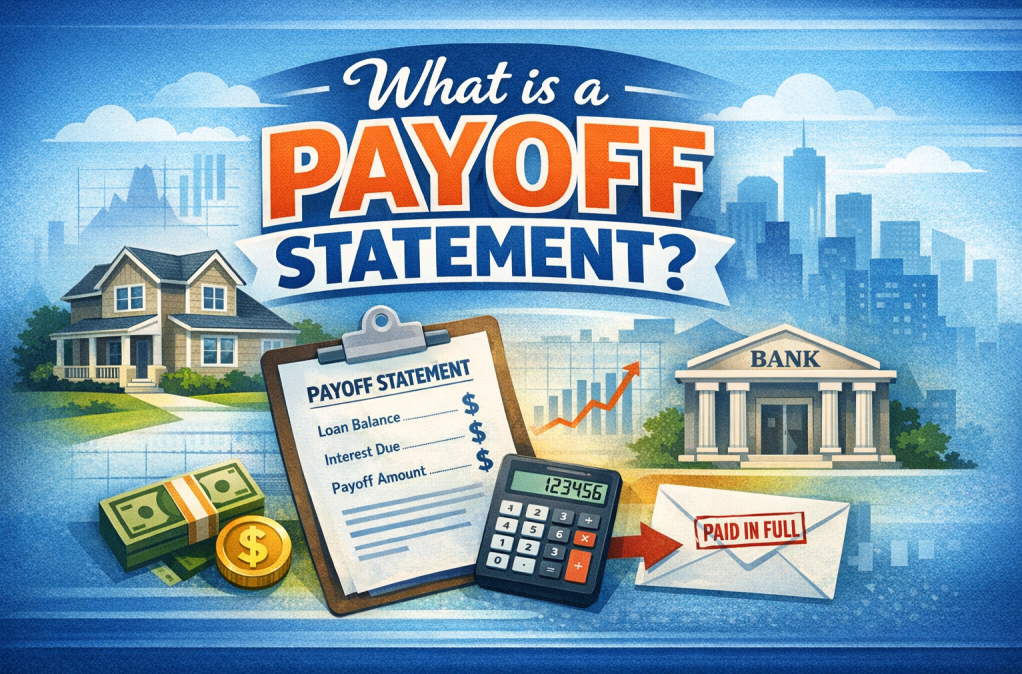
Understanding Mortgage Payoff Statements
What Is a Mortgage Payoff Statement?
Selling your home or refinancing your current mortgage requires tying up a few financial loose ends. One of the most important documents you need during this transition is a mortgage payoff statement. This document shows exactly how much money it takes to satisfy your current home loan.
Understanding this document helps you prepare for a smooth transaction. Let us break down what a payoff statement includes and how it works during the closing process.
Defining the Payoff Statement
A payoff statement is a formal document provided by your mortgage lender. It details the exact amount of money required to pay your loan in full by a specific, agreed-upon date.
Many people confuse the payoff amount with their current principal balance. However, your regular monthly statement only shows the outstanding balance at that specific moment. A payoff statement goes a step further by calculating the exact, final figure required to close the account entirely, factoring in daily interest and associated fees.
Breaking Down the Payoff Amount
When you look at your payoff statement, you will notice it contains several different line items. The final number consists of these primary components:
Principal Balance
This is the core amount of money you still owe on the original loan. It makes up the largest portion of your payoff amount.
Interest Charges
Mortgage interest accrues daily. Your payoff statement calculates the exact amount of interest you owe up to the specific payoff date listed on the document. If your closing gets delayed, you will need an updated statement to account for the additional days of interest.
Escrow Payments
If your lender holds funds in an escrow account to pay for your property taxes and homeowners insurance, they will factor this into the final calculations. If you have a shortage in your escrow account, the payoff amount covers it. If you have excess funds in the account, the lender will usually mail you a refund check a few weeks after closing.
Additional Fees
The statement outlines any extra costs associated with closing the loan. This section might include:
- Prepayment penalties: A fee charged if your loan terms penalize you for paying off the mortgage early.
- Statement fees: A small administrative charge for generating the payoff document.
- Late fees: Any outstanding penalties for previous missed or delayed payments.
The Role of the Title Company at Closing
When you sit down to close on a home sale or a refinance, the title company takes the wheel. Their primary job is to ensure a clean, legal transfer of the property. To do this, they rely heavily on your payoff statement.
Before closing day, the title company requests the payoff statement directly from your lender. They use this document to determine exactly how to distribute the funds from the buyer or your new refinance loan.
During the closing, the title company collects the money and wires the exact payoff amount directly to your old lender. They handle this transfer to guarantee the old mortgage is completely satisfied.
Once your previous lender receives and processes the funds, they issue a release of lien. The title company then makes sure this release gets recorded with your local county government. Recording the lien release is a critical legal step—it officially proves you paid the debt and completely removes the bank's claim on the property.
Next Steps
Knowing what goes into your payoff statement helps you avoid financial surprises at the closing table. If you are preparing to sell or refinance, contact your lender to request a sample payoff statement so you can review your numbers ahead of time.